
Long before environmental protection became a global effort, Indigenous Peoples, local and coastal communities already cared for the Earth. Whether by the ocean or deep in the forests, their ways of life have always been shaped by a deep connection to their territories, which they have defended for generations.
Across regions, those communities have been fighting to protect their homes, lives and livelihoods from industries plundering nature for profits, such as illegal gold mining in the Amazon and nickel mining in Indonesia, industrial fishmeal and fish-oil plants draining coastal waters in Senegal and industrial megaprojects threatening coastal livelihoods in Thailand. No matter the geography, a common reality emerges: those least responsible for the crisis are on the frontlines of confronting it. In doing so, they are not only protecting their territories, but safeguarding the ecosystems that sustain life on Earth, often at great personal risk.
From the Amazon to the Congo Basin to Thailand, meet five Earth Defenders whose stories of resistance and close relationship with their homes and community serve as inspiration to join the movement to protect the planet.
Valentin Engobo, Leader of the village of Lokolama in the Congo Basin
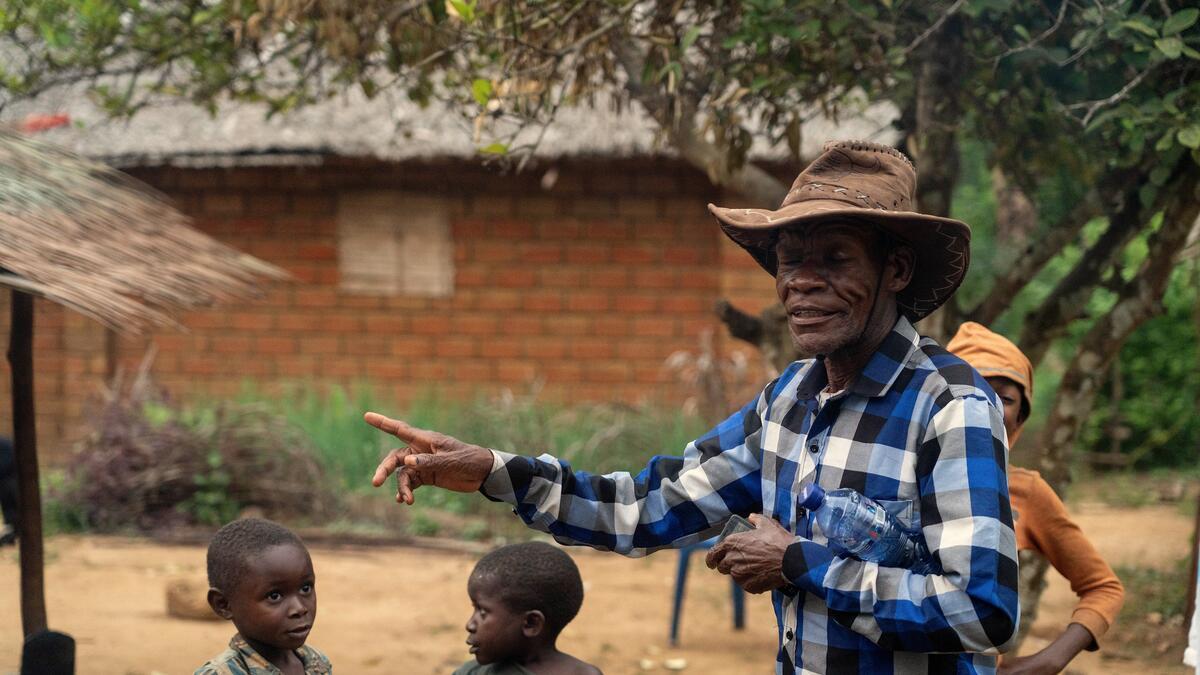
Meet Valentin Engobo, an Indigenous leader in the community of Lokolama, deep within the equatorial forests of the Congo Basin in the Democratic Republic of Congo. This is a territory shaped by generations of Indigenous knowledge, where the Tshwa people have long lived in close relationship with the forest and its peatlands. A representative of his people and president of the Association of Pygmy Peasants of Lokolama (APPL), Valentin has dedicated his life to defending these lands. Yet, as he describes, "we are still seen as 'sub-citizens,' obstacles to development, shadows in the trees," while decisions about their territories continue to be made without them.
Lokolama sits at the heart of one of the world's largest tropical peatland complexes, a vast carbon sink storing the equivalent of three years of global emissions. Working alongside scientists, Valentin and his community helped bring global attention to this ecosystem and its importance for the climate. "It is not only our culture that is under threat. It is also your future," he warns. Through community-led forest management, advocacy and international action – including challenging harmful policies imposed on their lands – he continues a struggle rooted in generations of resistance, defending both the rights of his people and ecosystems that are critical to the future of the planet.
Diaba Diop, Leader of artisanal fishing communities in Senegal
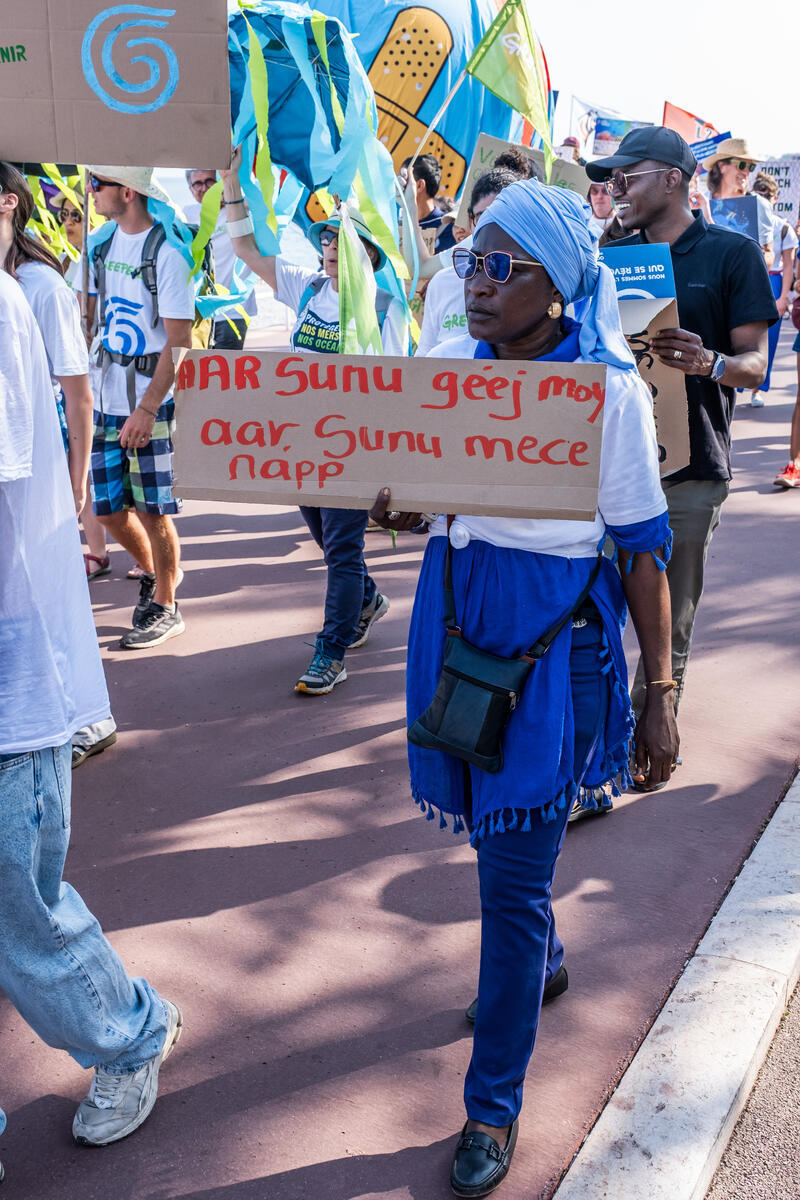
Diaba Diop embodies the resilience of fishing communities in Senegal. As head of the Network of Artisanal Fisherwomen in Senegal (REFEPAS), she represents thousands of women processors, fishmongers and small-scale traders, fighting for recognition of their work and their role in the local economy and food security.
She also advocates for the social and professional rights of women in the sector, pushing for professional identification, better organisation and access to social protection. Her work seeks to move these workers out of informality and ensure dignity, security and institutional recognition.
A powerful ocean defender, Diaba Diop promotes sustainable fisheries and warns of the impacts of overexploitation. She stands on the front line against industrial fishing vessels that deplete fish stocks and threaten her community's livelihoods, calling for fairer practices. She also mobilises against fishmeal and fish oil factories that divert fish from local consumption to animal feed abroad, undermining women's incomes and local food security. Together with the women she represents, Diaba continues to defend both marine resources and the future of her community.
Maria Socorro, Community Leader from the Médio Juruá region, Brazilian Amazon
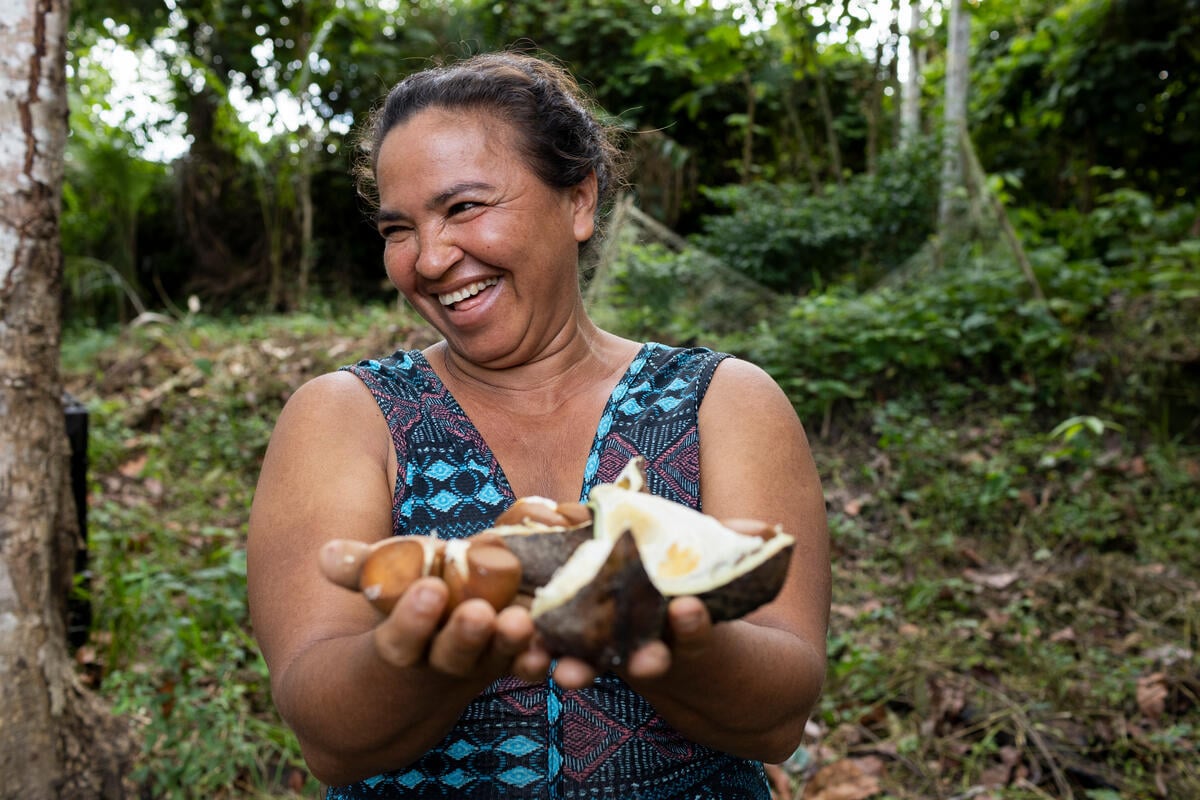
"The Amazon is my home, my country, where I live happily," says Maria Socorro, a ribeirinha (riverside community member) born and raised between the forest and the river. She has lived for over 40 years in the Roque community, in the Médio Juruá region in the Amazon, building her life in close relationship with the forest, working with the collection of andiroba seeds, a practice rooted in both livelihood and care for the territory. "This tree was already here when I arrived," she says, pointing to one of the andiroba trees she has harvested for years. "It has given so much".
Each year, during the harvest season, Maria Socorro and other women from the community gather in the forest, often collecting more than 50 cans of seeds together. The work is collective, marked not only by effort but by moments of joy – "we sing, we laugh, we go together," she recalls – and by a deep understanding of the forest's rhythms. The seeds are used to produce oil for medicines, soap and cosmetics, generating income that sustains families throughout the year. For Maria Socorro, protecting the forest is inseparable from survival: "If you cut it down, it's over. The forest ends, and so does our production."
Her story is part of a broader transformation in the Médio Juruá region, where communities have organised over the years to defend their territories and build sustainable economies rooted in standing forests. Today, Maria Socorro is one of many women whose daily work helps sustain this model – one that keeps the forest alive while securing dignified livelihoods.
Khairiyah Rahmanyah, "Daughter of the Chana Sea" and youth activist from Chana, Thailand
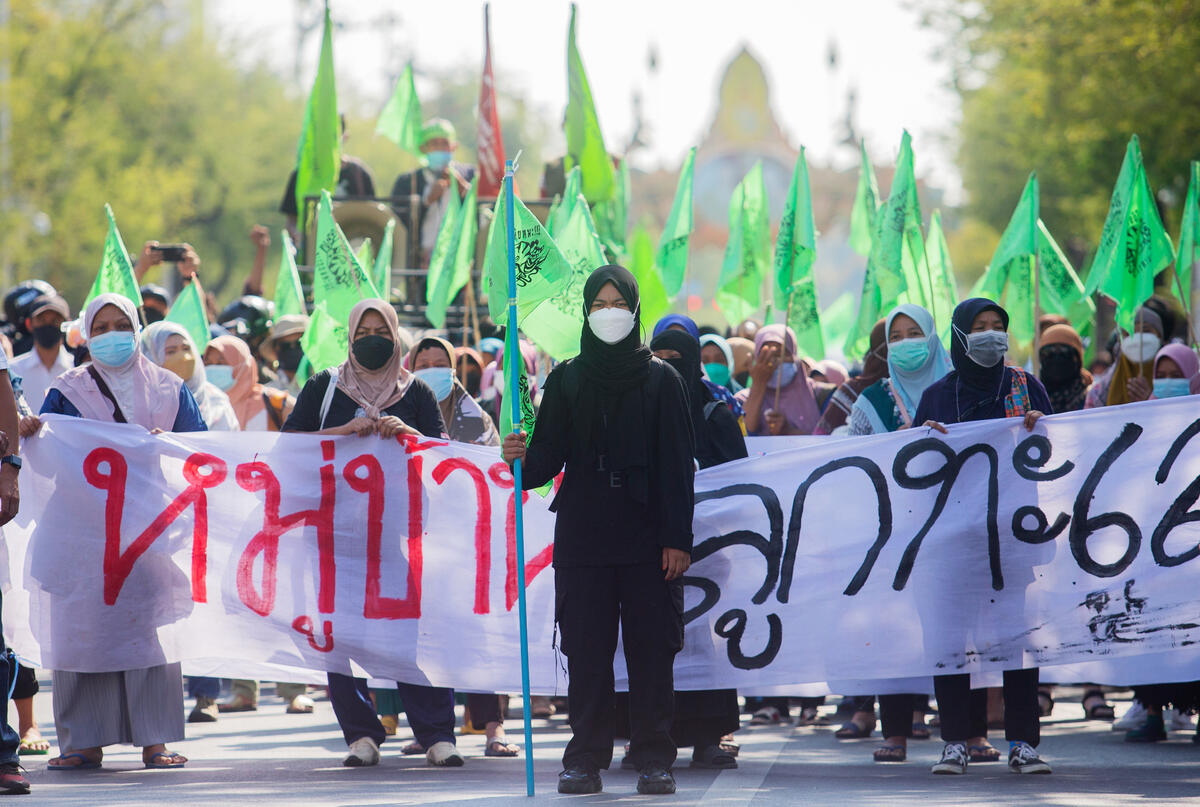
Khairiyah Rahmanyah rose to national prominence when she took her village's fight from the shores of Chana to the gates of Government House in Bangkok. A fisherman's daughter from a small village in the Chana district, she has dedicated her young adulthood to protecting her seaside hometown from a massive industrial megaproject. This development threatens to transform over 26 square kilometres of pristine coastline into a hub for heavy industry and petrochemical plants, a move Khairiyah warns would destroy the marine ecosystems and the traditional livelihoods of her community.
Determined to save her home, Khairiyah gained national attention after traveling to Bangkok to petition the Prime Minister and camping out in front of government buildings to demand transparent public hearings. The event gained mass media and social media attention and trended on Thai Twitter as #SAVECHANA. Despite facing surveillance and intimidation, she continued to mobilise her community and joined Greenpeace during the Ocean Justice ship tour in 2024. She continues to challenge the narrative that GDP growth from industrial estates outweighs the declining quality of life seen in other industrial hubs. Currently, Khairiyah, the Chana community in Songkhla province, and Greenpeace are calling for coastal communities to have the right to determine the direction of development in their own homelands.
Her advocacy is rooted in a deep connection to the ocean, where she fights to ensure that future generations can still see dolphins from their doorsteps, grow in a healthy environment and maintain the cultural heritage of Thailand's coastal villages.
Rifka Kmesrar, Indigenous youth leader from West Papua, Indonesia
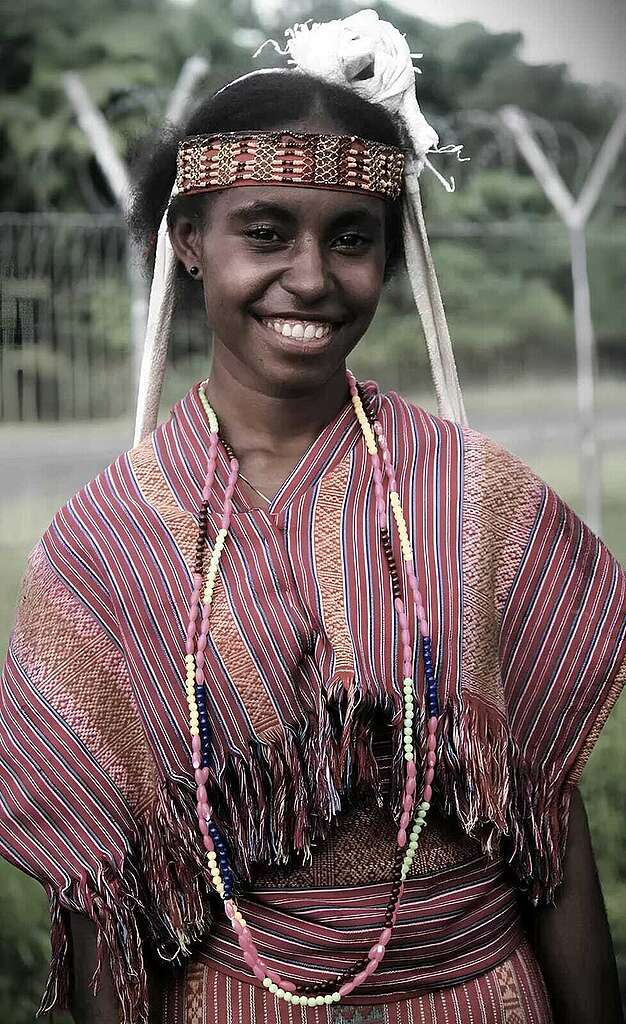
From Indonesia, meet Rifka Kmesrar, an Indigenous youth leader from Haha Village, in the Seremuk Subdistrict of South Sorong Regency, in West Papua. This is a region of dense tropical forests and rich biodiversity, where Indigenous communities have long depended on their ancestral lands and natural resources for their livelihoods, culture and identity. As a young leader of the Tival Community, Rifka represents a new generation that has grown up witnessing the ongoing struggle of their parents to defend their territories from external pressures. "We have seen our parents fight for generations," she says, "and we feel it is our responsibility to continue that work."
Together with other Indigenous youth, Rifka is working to protect both her community's culture and its food systems, ensuring that traditional knowledge and local resources are not displaced by logging, palm oil expansion and other threats. Their efforts include organising collectively, strengthening cultural practices and mapping the boundaries of their customary territories to prevent land grabbing and secure formal recognition. In a context where forests are increasingly threatened, her leadership reflects a broader movement of Indigenous youth rising to defend their lands, safeguard their future and keep their connection to the territory alive.
Acting locally for global Impact
These stories are not isolated. Research shows that while Indigenous Peoples make up 6% of the global population, they manage over 25% of the world's land surface and are the primary stewards of some of the most biodiverse and intact ecosystems on Earth. Their territories regulate the climate, support livelihoods and sustain ecosystems far beyond their boundaries. Still, their leadership is too often overlooked in decisions about conservation and climate action.
2026 is a decisive year for nature. Governments are now under growing pressure to turn global commitments into real action, including the pledge made under the Kunming-Montreal Global Biodiversity Framework to protect at least 30% of the planet by 2030. What happens next will determine not just how much of the planet is protected, but how that protection is defined, and who it serves.
Ensuring that communities have the recognition, rights and direct access to resources they need is key to translating global promises into lasting protection on land and in the water.
Jaqueline Sordi is the Communications and Engagement Lead for the Tropical Forests campaign at Greenpeace International.


