
New clues from genetic research may help explain what causes the most common heart defect present at birth. Researchers at KTH Royal Institute of Technology and Karolinska Institutet have identified rare DNA changes during fetal development that can lead to the aortic valve forming with only two cusps instead of three, a condition known as bicuspid aortic valve (BAV).
Publishing in Nature Communications, the researchers identified nearly 30 times more potential genes linked to BAV than previously known.
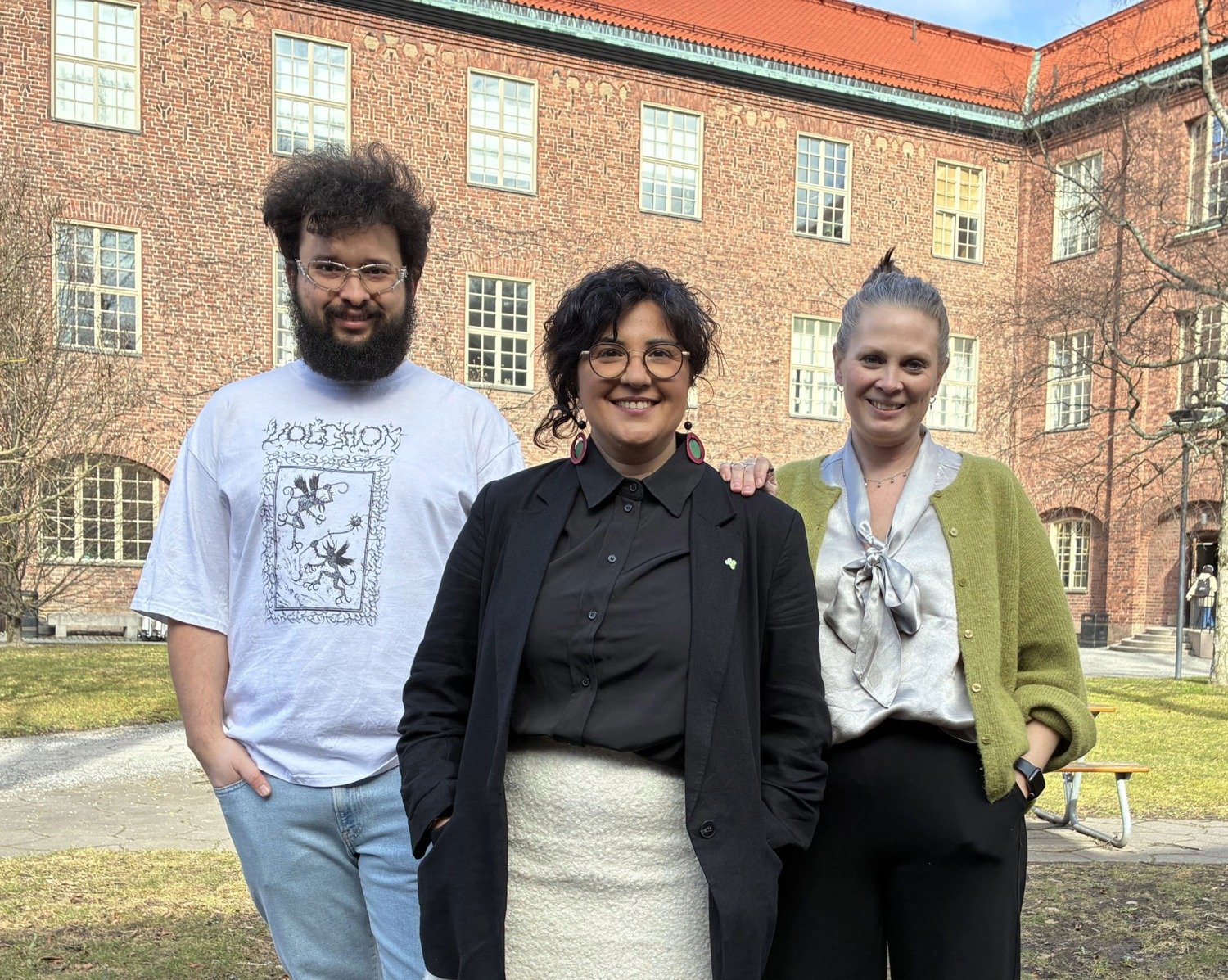
"The study offers a clearer understanding of how the aortic valve is formed, but also highlights the genetic complexity of BAV and its associated aortopathy," says Hanna Björck , associate professor at the Department of Medicine, Solna , Karolinska Institutet.
People born with BAV often go on to develop complications, such as a narrowing of the valve or enlargement of the aorta. More than half will undergo surgery at some point in their lives.
Identified rare genetic variants
But the underlying causes have long remained unclear. Earlier research showed a small number of cases are caused by changes in genes that contain the instructions for making proteins, the molecules that carry out most of the work in a cell. However, this explained only about 10 percent of all cases. Most patients had no known genetic cause.
The new study shifted attention to a different part of the DNA - the regulatory regions of the genome that act like switches, turning important genes on or off during early development. The researchers studied vascular tissue from eight people with BAV and eight people with normal valves.
Rather than focus on genes themselves, the researchers used a technique called HiCap, for targeted 3D genome mapping to examine how the DNA is arranged inside the cell and how regulatory regions connect to key developmental genes.
"We found that rare mutations in the regulatory parts of DNA are likely to play a major role in causing BAV," says Pelin Sahlén , associate professor at KTH Royal Institute of Technology.
Traces of embryonic development
Each patient in the study had different mutations, but many of these mutations disrupted the same important genes that shape the aortic valve in the fetus.
"This suggests that even though the mutations vary, they interfere with the same developmental processes," says Artemy Zhigulev , postdoctoral researcher at Karolinska Institutet and former PhD student at KTH Royal Institute of Technology.
Researchers say that one of the most surprising discoveries is that adult heart cells retain traces of what went wrong during fetal development. Harmful changes that happened before birth can be detected decades later. The finding indicates adult tissue samples can be used to study problems that originally occurred in the early stages of life.
See the scientific article for information about funding and conflicts of interest.
This news article is based on a press release from KTH Royal Institute of Technology .
Publication
"Rare regulatory mutations disrupt mesenchymal molecular programs driving endocardial cushion formation in bicuspid aortic valve" , Artemy Zhigulev, Doreen Schwochow, Nikita Gryzunov, Andrey Buyan, Vladimir Nozdrin, Enikő Lázár, Raphaël Mauron, Karin Lång, Rapolas Spalinskas, Sailendra Pradhananga, Madeleine Petersson Sjögren, Anders Franco-Cereceda, Joakim Lundeberg, Ivan V. Kulakovskiy, Per Eriksson, Hanna M Björck, Pelin Sahlén, Nature Communications, online 18 April 2026, doi: 10.1038/s41467-026-71758-5


