
Homes are being abandoned as climate change accelerates migration out of rural Bhutan, new research shows.
The mountain kingdom is the world's first carbon-negative country - through exporting zero-carbon hydro-power energy. But it is disproportionately affected by climate change, including rising temperatures, shifting rainfall patterns and glaciers retreating.
The researchers find that, while migration in Bhutan is primarily done for economic, professional and aspirational reasons, climate change is a "background stressor" that drives migration by making rural livelihoods increasingly precarious.
The findings are published in the annual journal of Bhutan's Royal Thimphu College, with 10 of 12 papers authored by members of the SUCCESS (Successful intervention pathways for migration as adaptation) project.
"Bhutan faces two profound existential threats - climate change and demographic change due to people leaving rural areas, or leaving the country entirely," said Kinley Dorji, PhD student at the Royal University of Bhutan and an affiliated researcher at the University of Exeter.
"As a mountainous country, climate hazards in Bhutan can trigger natural disasters such as extreme flooding and landslides.
"At the same time, we see climate-driven changes such as erratic rainfall and more crop-pest infestations, which make agriculture and other rural livelihoods harder - accelerating the emptying of rural areas."
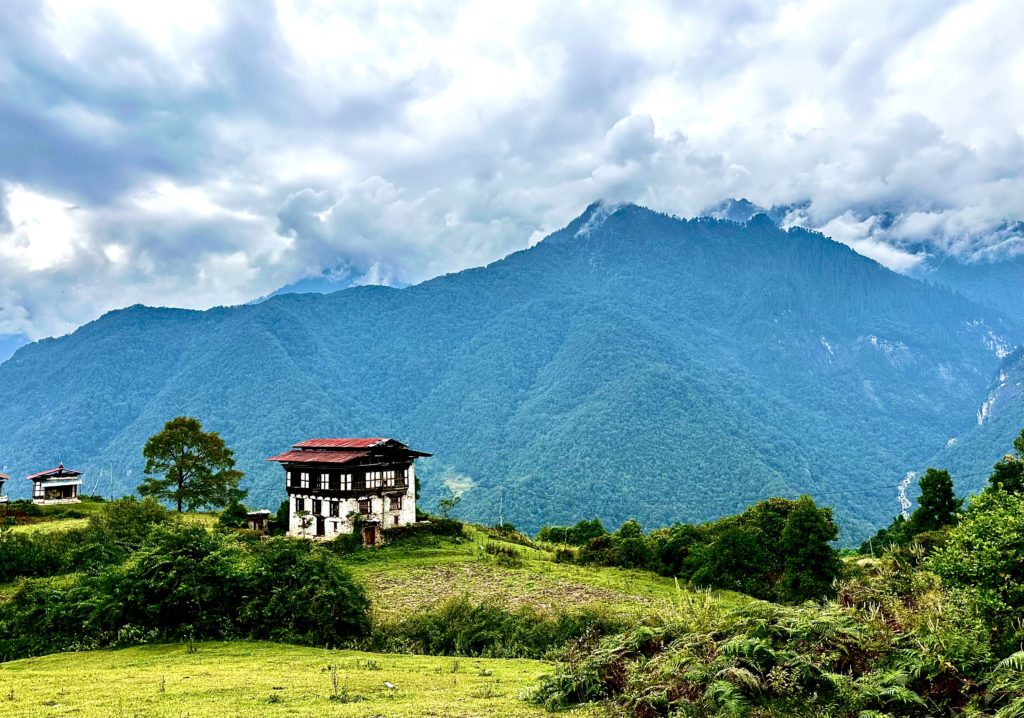
The researchers found net population loss in 138 out of 205 regions of Bhutan, with movement generally from the rural east to the more urban west of the country.
"The first effect of this is a labour shortage in rural areas, with not enough young people to work in agriculture - especially traditional forms of agriculture," Dorji continued.
"With an increasingly elderly population, the rural east also sees an erosion of inter-generational care and community cohesion.
"The number of people leaving the country - especially the 'brain drain' of young and skilled workers - has become a concern for government.
"About 67,000 Bhutanese people live in Australia, which is a large amount when Bhutan's population is just over 800,000.
"Remittances - money sent back from people living overseas - provides important support for rural households - one of the ways migration can support climate resilience."
Dorji added: "I was brought up in eastern Bhutan. During my research, I helped farmers with their rice cultivation and harvesting. I learned first-hand how weather has become very unpredictable and how the agriculture labour force has shrunk. Even my inexperienced labour was very welcomed."
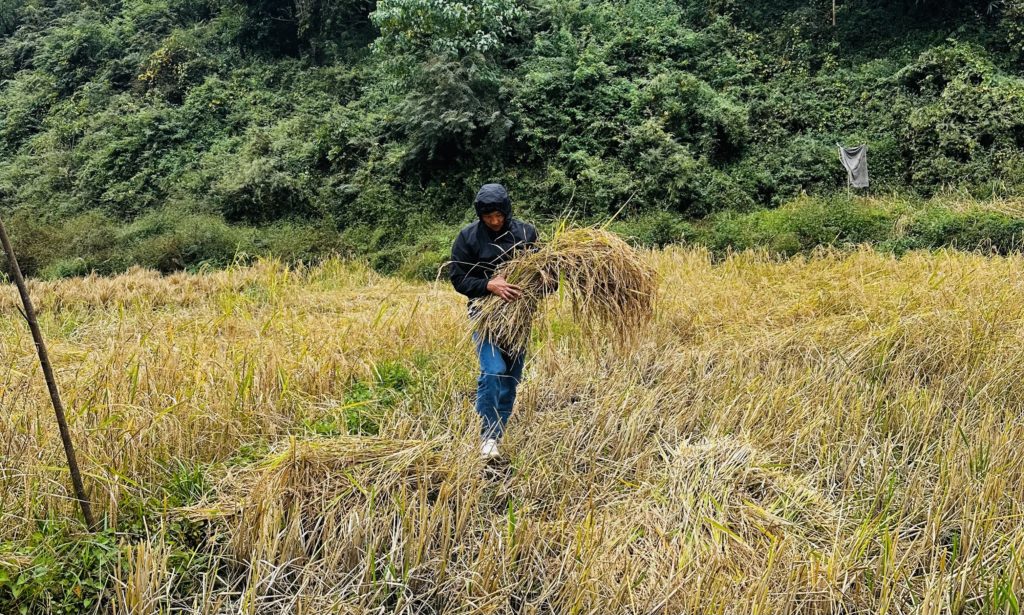
With climate change expected to intensify in Bhutan, direct impacts - and the knock-on effects on migration - are likely to increase.
Significant migration - particularly international migration - is a recent phenomenon in Bhutan.
Professor Jelle Wouters, of Royal Thimphu College in Bhutan, and editor of these papers, said: "The Royal Government of Bhutan recognises depopulation and fallow lands as an obstacle to achieving resilient rural futures.
"We need to use this research to create pathways for diversifying the economy of rural areas. Such initiatives would ensure that rural outmigration remains a choice for better opportunities, rather than a compulsion for survival."
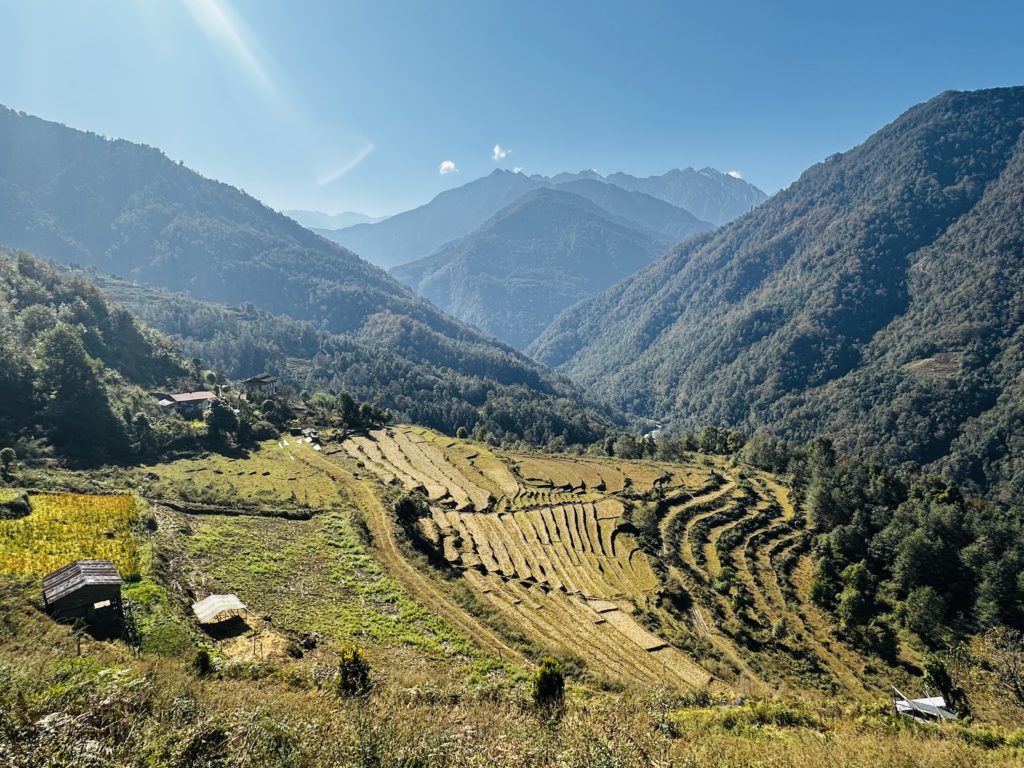
Dorji added: "The government of Bhutan is protecting its biodiversity, investing into clean energy technology, initiating carbon trade and adopting other financial strategies to monetise the ecological services for sustainable conservation.
"Meanwhile, communities across Bhutan are working towards securing water sources and improving protection from climate extremes by using nature-based solutions."
Professor Neil Adger, from the University of Exeter, said: "These new papers are the most in-depth assessment to date of how climate change influences migration in Bhutan.
"The phenomenon of abandoned households in rural villages is one of the starkest images of climate change."


