What the research is about
Even if a health checkup shows "your blood sugar is slightly high," many people go about their daily lives without noticing any symptoms. This condition is known as prediabetes, and it can gradually progress to diabetes without being noticed.
Previous studies have shown that artificial intelligence (AI) can analyze electrocardiograms (ECGs), which measure the electrical activity of the heart-to estimate various health conditions. AI has been used not only to detect heart disease, but also to infer age, sex, and conditions such as high blood pressure. Some studies have even suggested that combining detailed ECG data with patient information could help predict diabetes.
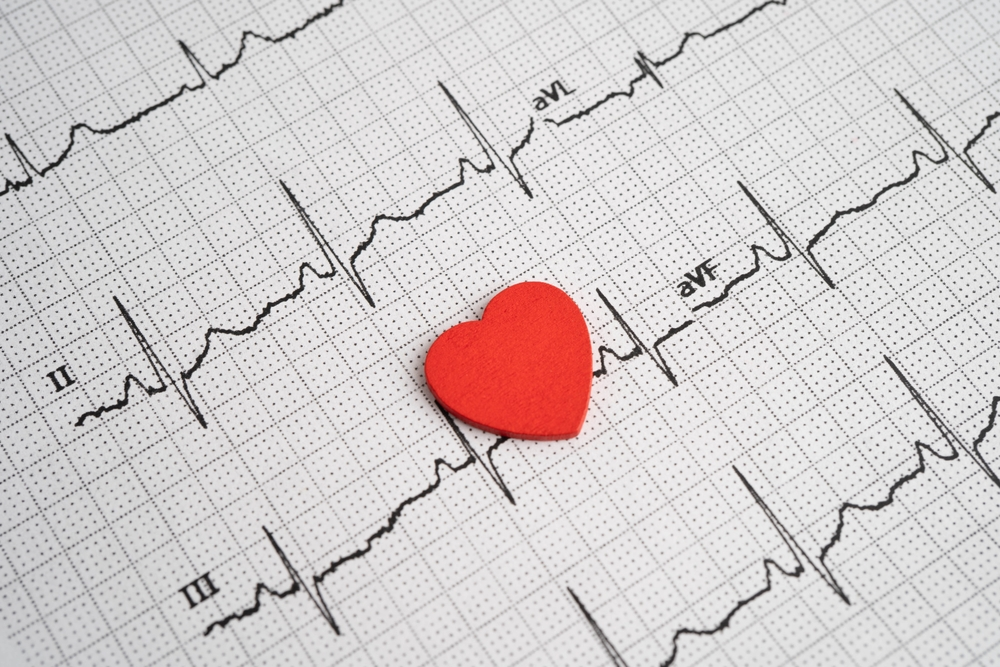
However, at the prediabetes stage, changes in ECG signals are extremely subtle. Until now, no study had been able to identify prediabetes using ECG data alone. In addition, many AI models are difficult to interpret, making it unclear how they reach their conclusions-an important challenge for clinical use.
To address these issues, a research team led by Junior Associate Professor Chikara Komiya at Institute of Science Tokyo (Science Tokyo) developed a new AI model called DiaCardia. This model can detect the risk of prediabetes by identifying very small changes in ECG signals.
Why this matters
This study is the first in the world to demonstrate that prediabetes can be identified with high accuracy using only ECG data. The key breakthrough is that AI can detect subtle changes in heart signals that are difficult for humans to recognize.
AI is especially powerful at finding patterns in large amounts of data that are not easily visible to the human eye. The DiaCardia model analyzes 269 different features extracted from ECG data. By doing so, it can capture tiny variations in ECG signals and identify prediabetes with high accuracy.
The study also showed that even ECG data collected in daily life using wearable devices like smartwatches-can be used to detect risk with considerable accuracy.
Importantly, this research goes beyond simply making accurate predictions. It also helps explain which parts of the ECG signal are linked to early signs of prediabetes. For example, slight changes in the strength of certain electrical signals in the heart and subtle variations in heart rhythm were found to be important indicators.
What's next
If this technology is put into practical use, it may become possible to detect the risk of diabetes at an early stage without blood tests or hospital visits. Instead of relying only on detailed ECG measurements taken with multiple electrodes in hospitals, people may be able to monitor their health using ECG data recorded in everyday life with wearable devices.
Such an approach could help people improve their lifestyle habits earlier and reduce the risk of developing diabetes. In addition, because the AI model can explain which features it uses for its predictions, it has the potential to be used as a reliable clinical support tool that doctors can trust in medical settings.
Comment from the researcher
To extend healthy life expectancy, prevention will become increasingly important. This study shows that AI can detect early signs of disease from very small changes in the body. In the future, we hope to create a society where everyone can better understand their health at an early stage in daily life and prevent disease before it develops.
(Chikara Komiya, Junior Associate Professor, Department of Molecular Endocrinology and Metabolism, Graduate School of Medical and Dental Sciences, Institute of Science Tokyo)