
Two new environmental research projects at Flinders University are going underground, after receiving Australian Research Council (ARC) grants.
Flinders College of Science and Engineering Professor Gavin Prideaux and Associate Professor Ilke Wallis will respectively lead innovative palaeontology and groundwater projects in regional Australia in collaboration with additional funding from local partners and two ARC Linkage Projects grants involving a combined total of almost $2.8 million.
Both new ARC projects aim to improve conservation and environmental outcomes.
Professor Prideaux, from the Flinders Palaeontology Lab, was awarded an ARC Linkage grant of almost $1.2 million to expand the University's megafauna fossil research at the NSW Wellington Caves – aiming to provide new insights into the climatic and other evolutionary changes over the past four million years.
With other leading Australian palaeontologists, and partnerships with Dubbo Regional Council, the Australian Museum and Project Zone Pty Ltd, the project will analyse the site's rich and diverse mammal fauna and vegetation, both at the famous fossil site, in the lab and via museum records. It will encourage involvement from citizen scientists in the community, and education and training opportunities including for First Nations people.
"The Wellington Caves are a popular tourist attraction and also a unique archive of faunal evolution and ecosystem change in eastern Australia," says Professor of Palaeontology Prideaux, who is Deputy Dean of Research at the College of Science and Engineering at Flinders.
"The area gives amazing insights into the ecological impacts of major climatic changes and megafaunal extinctions which provide us with important knowledge to guide and shape biodiversity management."
Flinders Palaeontology has been conducting field trips to the Dubbo region for the past decade, and has close ties with the community and tourism operators in the region.
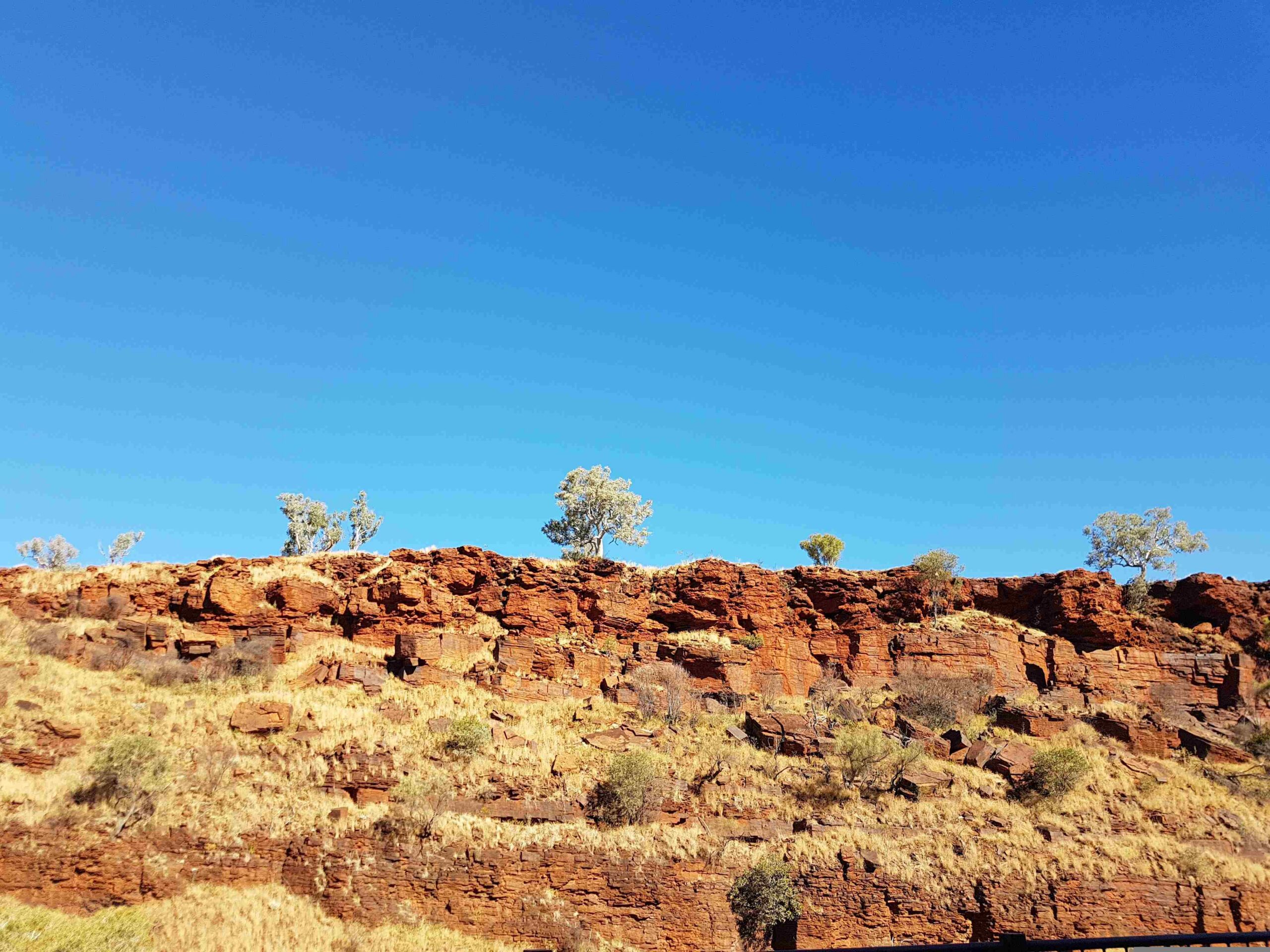
The second new project - to accelerate and improve mine closure with managed aquifer recharge - will partner with Northern Star (Pilbara) and Ekion Pty Ltd in Western Australia's Pilbara mining region.
Associate Professor Wallis, with experts including colleagues Professor Peter Cook (from the National Centre for Groundwater Research and Training at Flinders) and Flinders Professor of Water Economics Sarah Wheeler, will work with mining company and other experts to improve hydraulic rehabilitation after open cut mining.
"The closure of hundreds of open pit mines over the next decade is a major environmental and financial challenge. This project will trial the strategic injection of excess mine water back underground to accelerate groundwater recovery after mining," says hydrogeologist Associate Professor Wallis.
Open pit mining often requires groundwater to be pumped out to keep mines dry. This results in large-scale groundwater depletion, affecting ecosystems, rivers, springs and water quality.
Without new approaches, groundwater systems may take decades or even centuries to recover naturally following mine closures.
The project will investigate managed aquifer recharge - or the controlled injection of water into aquifers - as a way to speed up mine site recovery.
"The outcomes will provide a blueprint for injection-assisted mine closure, helping mine companies to improve rehabilitation of post-mine landscapes, ecosystems and culturally significant sites," says Associate Professor Wallis.


